For Sale
6 Mill Street Complex
6 Mill Street,
Ashland, NH 03217
Ashland, NH 03217
Asset Snapshot
Assisted Living
Industrial Subtype
2.12 Acres
Land Area
Offering Summary
Investment Overview
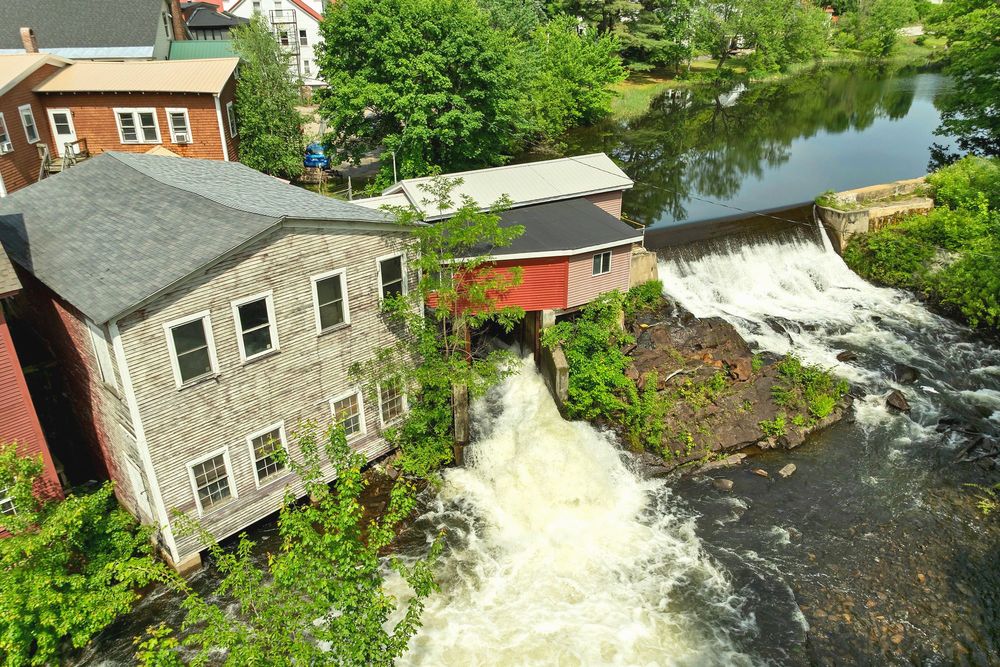
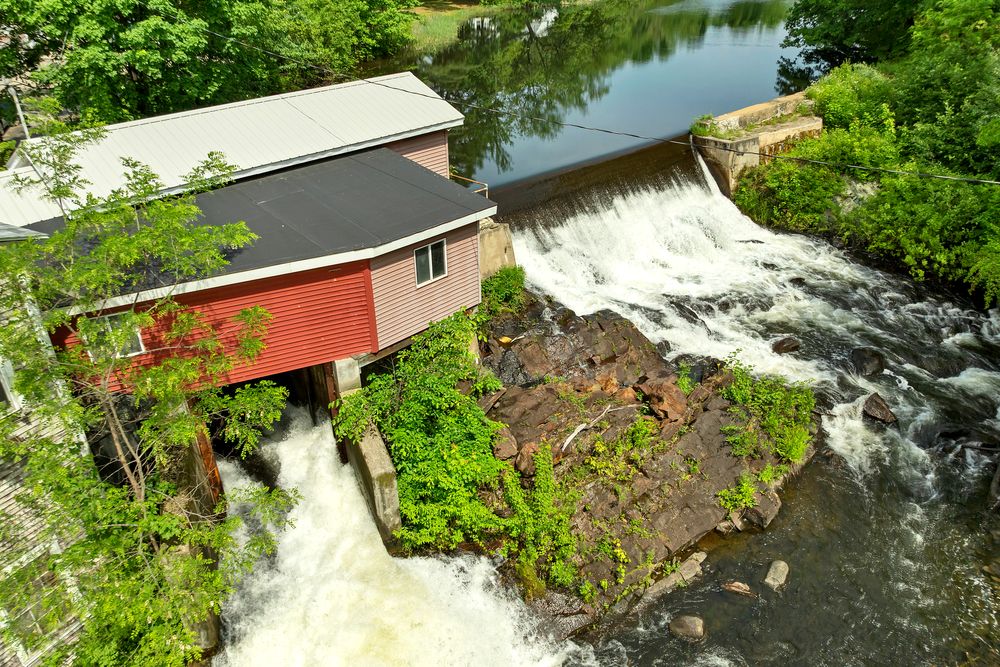
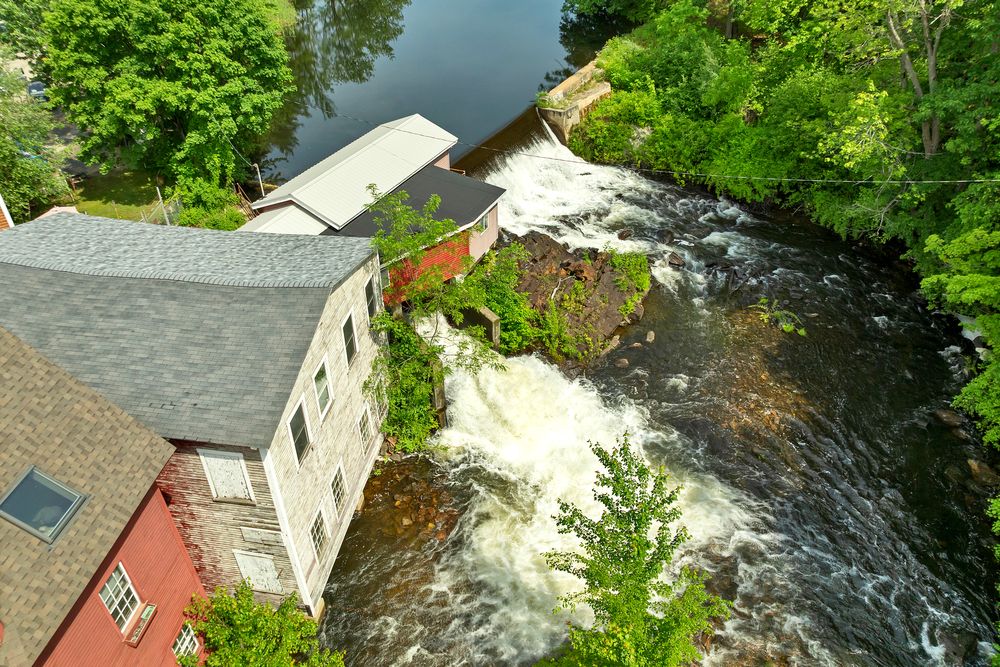
Executive Summary 6 Mill Street presents a rare opportunity to acquire a historic industrial mill complex of approximately 50,888± square feet in downtown Ashland, New Hampshire, where the campus spans the Squam River and is integrated with the historic Packard Dam and hydroelectric power generation and infrastructure. Combining existing rental income, industrial utility capacity, hydroelectric generation potential, and substantial redevelopment upside, presents a unique investment opportunity that is increasingly difficult to replicate under modern development and permitting conditions. Strategically located approximately one mile from Interstate 93, the property serves as a gateway between New Hampshire's Lakes Region and White Mountains. Seller-provided historical operating information indicates prior hydroelectric generation of approximately 925,351 kWh annually, while the existing building inventory provides opportunities for industrial, warehouse, manufacturing, storage, mixed-use, adaptive reuse, or redevelopment scenarios. Whether pursued as an income-producing asset, owner-user facility, renewable energy investment, or long-term redevelopment project, 6 Mill Street offers multiple paths for future value creation. Property Description The property consists of approximately 50,888± square feet distributed among eight buildings situated on approximately 2.12± acres in downtown Ashland. Improvements include historic mill buildings, warehouse and storage facilities, office space, loading and freight handling infrastructure, and a dedicated hydroelectric powerhouse connected to the Packard Dam. Building construction dates range from approximately 1840 through 1986, reflecting the site's long history as part of the former L.W. Packard Mill complex. A defining feature of the property is its direct integration with the Squam River, with portions of the mill complex constructed above the river channel itself. The property currently supports a mix of commercial, industrial, storage, and hydroelectric uses, with existing tenants providing income and significant underutilized areas offering opportunities for renovation, modernization, lease-up, reconfiguration, or redevelopment. Existing infrastructure includes municipal water and sewer service, industrial electrical capacity, loading docks, freight handling capabilities, sprinkler systems serving portions of the complex, and hydroelectric generation facilities. The combination of scale, infrastructure, historic character, and redevelopment flexibility creates a unique asset capable of supporting a wide variety of future uses.Investment Highlights
- Historic multi-building mill complex totaling approximately 50,888± SF
- Approximately 2.12± acres in downtown Ashland, NH
- Existing rental income from multiple tenants
- Dedicated 3,552± SF hydroelectric powerhouse
- Historic Packard Dam and hydroelectric infrastructure
- Seller-provided historical hydroelectric power generation of approximately 925,351 kWh annually
- Historic mill campus with portions of the building spanning the Squam River
- Integrated dam, river, and hydroelectric infrastructure supporting renewable energy generation
- Eight-building complex constructed between approximately 1840 and 1986
- Existing industrial, warehouse, office, and storage space
- Four truck-height loading docks
- One drive-in loading bay
- Freight handling and material movement infrastructure
- High-load industrial floor design in portions of the complex
- Sprinkler systems serving portions of the property
- Industrial electrical infrastructure and on-site power generation capabilities
- Municipal water and sewer service
- Existing warehouse, manufacturing, storage, and commercial use potential
- Significant underutilized space offering value-add opportunities
- Potential for renovation, modernization, adaptive reuse, redevelopment, or owner occupancy
- Approximately one mile from Interstate 93 Exit 24
- Convenient access to the Lakes Region, White Mountains, Concord, and Central New Hampshire
- Unique river, dam, and hydroelectric setting rarely replicated under current development conditions
How it Works
Need Help?
Your brokers are your first point of contact for any listing or process questions. For additional support:
Listing Syndicated From

For Sale
$650,000
Asking Price
Investment Sales Broker